


Valentine's Day
There are more than 33 million Americans living with food allergy, which can cause potentially life-threatening allergic reactions, who may not feel comfortable participating in traditional Valentine’s Day activities. Explore our information and resources to see how you can prepare for this holiday and join our Valentine’s Day movement to help make sure everyone can share in the fun!
💙 Love is FARE 💙
Let someone special to you know that LOVE IS FARE by sending a Valentine’s e-card. You can share your love while supporting FARE’s work to improve the lives of people through research, prevention, better diagnostics, expanded treatments, and finding a cure.
Send A Card
Help Your Little Valentine Stay Safe and Feel Included at School
Five tips to help your children stay safe and learn how to be good friends to classmates with food allergy during this fun holiday. Plus, downloadable materials to share with teachers and staff!
Learn More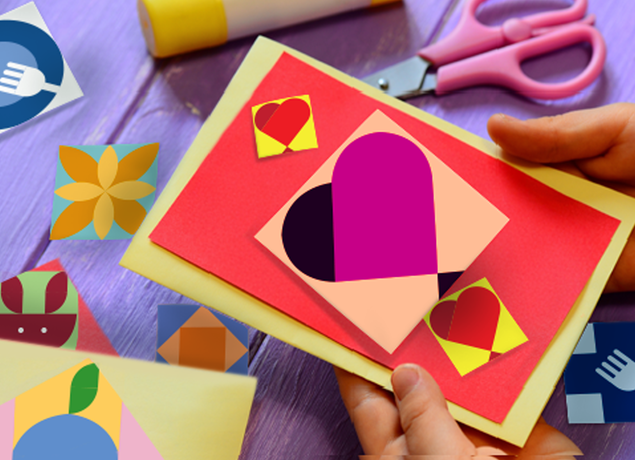
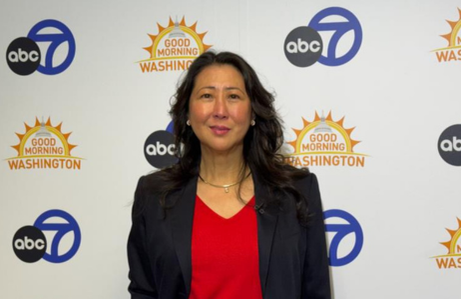
Watch FARE CEO, Dr. Sung Poblete, on WJLA 's "Good Morning Washington" !
FARE CEO, Dr. Sung Poblete, stars in a guest segment on how to make sure that Valentine's Day allergens don't derail date-night plans. (Aired February 11, 2026)
When You Love Someone…With Food Allergies 💙
Food allergy doesn’t just affect the person diagnosed—it affects everyone who loves them. Many risks are invisible to people without food allergy, especially in romantic settings like Valentine’s Day dinners, drinks, and shared moments.
This Valentine’s Day, FARE wants to remind you of the simple moments when you (or your date) can show mindfulness of how to show care for someone with food allergy. It’s good for everyone!
Getting Settled: It Often Starts with Drinks, Not Food
Many people focus on dinner, but allergens often appear first in cocktails and mixed drinks. And even if the person with food allergy isn’t drinking it, a kiss after a cocktail could be enough to trigger a reaction.
Ordering at the Table: Ask How Your Choices Affect Them
People without food allergy may not think about it, but ordering the same dish as their partner may increase the risk of a plate mix-up between an allergen-safe order (meaning, one that has been prepared differently from how it is on the menu) and a “regular” order. Tableside preparation that involves certain allergens may also be an issue. A simple question—“Does my order affect you?”—can prevent a serious problem.
Being Prepared: Knowing Where the Epinephrine Is
If you love someone with a food allergy, you should know whether they carry epinephrine, where they keep it, and how to act in an emergency. Some people put their epinephrine on the table while they dine as a reminder and so it’s accessible quickly if needed.
Sharing Food: Romance Without Cross Contact
Sharing plates or stealing bites is common on dates, but it comes with risk. Always use clean utensils; never switch forks or double dip. Remember that even trace exposure matters.
End of the Evening: Following Their Lead
Comfort with physical affection can vary depending on what and when you ate and how the food was handled. If you have facial hair, which can trap allergens, it might affect someone’s preferences. Respecting boundaries is part of loving someone well!

Valentines for a Teal Valentine's Day
Download FARE’s free printable valentines here for a teal Valentine's Day at your children's school.
Tips for a Romantic Evening
Achieving that Valentine’s Day spark involves a little planning, especially if your sweetheart has food allergy. Whether your romantic day includes flowers and chocolates, a home-cooked meal served by candlelight, or a restaurant reservation at your favorite spot, there are some simple precautions you can take to ensure your evening is memorable for all the right reasons!