


Raising Awareness, Vacationing, Prom, and “What’s in My Bag”—Food Allergy Edition
Members of FARE's Teen Advisory Group share their tips on such topics as raising food allergy awareness, preparing for prom and for summer vacation, and answering commonly asked questions about food allergy.
Click the cards, or scroll below, to read more.
Food Allergy Awareness and Advocacy
"Increasing awareness can lead to people being more careful about cross-contact, more thoughtful about what food they bring to gatherings, and more prepared to help someone in an emergency."

Preparing for Vacations with Food Allergies
"After the trip, keep a log of what worked and what didn't; this can also help with future planning! Tracking products you liked or would change will help you have a restful vacation filled with memories and fun."

Things I Say All the Time as Someone with Food Allergies
"Living with food allergies means having to repeat yourself and question things, and while it’s not always fun, it’s essential, and can be life-changing to stand up for yourself."

How to Navigate Prom With Food Allergies
"Although going to prom with allergies can seem daunting, it can actually be very doable. By following these steps, you can have a not only safe, but enjoyable prom night!"

Summer Sun and Allergen-Free Fun
"The end of the school year brings lots of excitement, change, and chaos. Many of us have summer just around the corner, so our allergy awareness kicks into high gear in all the craziness."
Food Allergy Awareness and Advocacy
Amari S., Grade 9
Nearly 6 million children in the United States have food allergies, which means multiple people in your school and neighborhood are managing them every day. Living with food allergies means thinking ahead, including avoiding allergens, checking food labels, and making sure you have epinephrine in case you have a reaction. But safety is not just about what you do as an individual because it also depends on whether others understand and look out for you.
Food Allergy Awareness Week is important because it helps other people learn what living with food allergies is like and how they can help keep you safe. Increasing awareness can lead to people being more careful about cross-contact, more thoughtful about what food they bring to gatherings, and more prepared to help someone in an emergency.
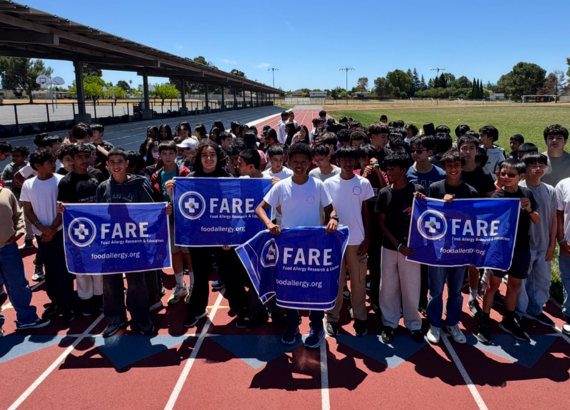
This May, I am organizing my second FARE (Food Allergy Research & Education) walk to bring 125 members of my community together. I will be sharing how small actions can make a big difference in the lives of people living with food allergies. Also, I have reached out to my local state senator and district supervisor requesting that they recognize Food Allergy Awareness Week.
On April 28th, through my advocacy and working with my district supervisor, Santa Clara County adopted a proclamation declaring May 10-16, 2026 as “Food Allergy Awareness Week” to encourage community understanding of food allergies and to promote practices that help protect individuals from serious health impacts when exposed to allergens. Additionally, my state senator presented a certificate of recognition to FARE, and to me, commemorating Food Allergy Awareness Week.
Preparing for Vacations with Food Allergies
Ameya B., Grade 10
Going on vacation with food allergies may require a little extra planning, but that preparation can help you feel more comfortable when traveling. Before trips, I recommend researching nearby grocery stores and also airline policies (if applicable) to have a plan of action. It's also convenient to look for hotels or lodging near places where you can easily buy safe food if needed. Some key things I pack include epinephrine (always have this in case and recommend carrying it with you during the trip as well), antihistamines, and allergen-friendly snacks depending on your needs.
During the trip, make sure you have an allergist's letter explaining your condition, which can help with entry to tourist spots and with airline requests for clarification on whether you have food with you; this also applies to tourist locations. On shorter domestic flights, having your own snacks is convenient, so you don't have to worry about what's being served by the airline. If you do, always double-check with flight attendants and staff to make sure you are comfortable. Packing even a small extra meal as a precaution can help.
Vacations often involve tourist activities, so definitely bring along your epinephrine. You can also research allergen-friendly restaurants in the process if that's something you're interested in or look for hotels with kitchens. When bringing a bag, I suggest carrying your allergist-provided allergy plan and additional snacks. You can also wear medical-alert jewelry, like a bracelet or necklace, when you're out.
After the trip, keep a log of what worked and what didn't; this can also help with future planning! Tracking products you liked or would change will help you have a restful vacation filled with memories and fun.
Things I Say All the Time as Someone with Food Allergies
Ariana T.
As somebody with food allergies, I’ve learned that avoiding allergic reactions isn’t just about not eating certain foods; it’s about advocating for yourself to ensure that you are safe. For the past 15 years of my life, I’ve found myself repeating the same phrases every time I go to eat.
In honor of May, including Food Allergy Awareness Week, I will be sharing some of the most common questions, worries, and reassurances I find myself saying regarding my food allergies.
- “Does this have my allergen in it?”
A common question for everybody with food allergies. It can get exhausting repeating this phrase so often, but it has helped me steer clear of countless allergic reactions. For people with food allergies, it’s important to always ask these questions. At times, it can feel embarrassing or annoying, but it is very much necessary. - “I can’t risk it.”
It’s always frustrating when you’re not sure if you can eat a food, but have to play it safe. Especially in group settings, it’s easy to feel left out or tempted to just take the risk. However, it’s crucial to remember that your safety always comes first. - “I have my epinephrine, don’t worry.”
Carrying my EpiPen and Benadryl is something my mom asks me about every time I leave the house. Sure, it can be bothersome having to carry a fanny pack every time you go out with friends, but I’ve learned just how serious it is to be responsible and carry the specific medicine you need to keep you safe. - “Are you sure?”
For people with food allergies, it’s important to be 100% certain of safety before consuming food. We’ve all dealt with misunderstandings that have led to reactions, and it’s definitely not fun. When it comes to food allergies, even just the simple action of double-checking can make all the difference. - “Even a little bit can be dangerous.”
Last but definitely not least is the common misconception that allergens can’t be harmful if you only eat a little. This is a general myth about food allergies and something I always find myself explaining to others. Part of living with food allergies isn’t just about advocating for yourself but also educating others.
These sentences might seem simple, yet they are so significant. Living with food allergies means having to repeat yourself and question things, and while it’s not always fun, it’s essential, and can be life-changing to stand up for yourself. During this month, I think it’s important to recognize that spreading awareness helps people with food allergies go about their day-to-day lives without having to worry about whether or not they are safe.
How to Navigate Prom With Food Allergies
Ava T., Grade 11
As prom season approaches, being cautious of food allergen exposure becomes increasingly important. There are many different aspects of prom that may seem difficult to navigate at first glance, but with proper preparation, enjoying prom with food allergies can be very manageable!
As a high school junior myself, I have made a list of tips for having an allergy-safe prom that you can use as your next school dance.
- The first thing that is critical for teens with food allergies to do is to communicate their food allergens to their peers they will be attending with! There are many instances in which food is shared during prom; for example, snacks are often shared at pre-prom get-togethers and there is also dinner commonly served at the dance itself. It is important to inform your peers of your allergens so they can make sure to put out allergy friendly snacks, and if your prom serves dinner, it is important to communicate with your table mates what you are allergic to so that those in close proximity to you can try to avoid having your allergens on their plate (depending on how severe your allergies are). It is very important for your friends to be informed.
- It is also crucial to communicate with your peers what the signs of an allergic reaction are. In this way, if you are accidentally exposed to something you are allergic to, and your reaction inhibits you from communicating with others, your friends can notice the signs and get help. If they are not informed about what a reaction looks like, they won’t be able to help you. A great resource for educating your peers is the FARE website which has a variety of videos and resources. Educating others is one of the most important parts of staying allergy safe.
- Another significant aspect to staying safe during prom is coming prepared with medication. It is important to carry whatever medication that is specific to your allergist recommendation and needs. This will allow you to stay prepared!
- Lastly, during prom, acting fast is important. If you start to feel symptoms of a reaction, it is not only important to tell your peers, but it is also crucial to tell an adult immediately. Even if you think a reaction is very mild, you should still stay something and do what is needed to stay safe depending on the severity of your allergy. This is because allergic reactions can escalate very quickly and peak effects can be delayed. Therefore, it is imperative to tell an adult and act fast as soon as you feel symptoms.
Although going to prom with allergies can seem daunting, it can actually be very doable. By following these steps, you can have a not only safe, but enjoyable prom night! If you have any more questions or uncertainties about prom, please check out the FARE website where we have many different resources! Happy prom season!
Summer Sun and Allergen-Free Fun
Sarah L., Grade 10
The end of the school year brings lots of excitement, change, and chaos. Many of us have summer just around the corner, so our allergy awareness kicks into high gear in all the craziness.
At sixteen, a sophomore in high school, I got my license this year and can drive myself to all the end of year sports practices, banquets, and class parties. This new season has been so fun, but it comes with new independence and responsibilities with my allergy. I have an anaphylactic tree nut allergy. As a teenager attending extracurricular activities, I have to be extra careful and carry my EpiPen everywhere. So as the school year comes to a close, awareness and vigilance are very important in living with a serious allergy. Here are some tips for navigating end of school year events and summer travel!
End of school is a wild season and is jam-packed with events like school parties and sports banquets. In social settings it’s always good to have at least one trusted friend, or adult if possible, that knows your allergy well and how to administer epinephrine. Having at least one other person who knows symptoms and signs of an allergic reaction to look for and how to administer an EpiPen or whatever medical device you use to keep yourself safe is just an extra layer of precaution.
I go to a small private school, and something my grade has been doing more often is group hangouts. These are fun, but quickly get nerve racking when food is involved. If in a group setting, the dinner is potluck style, then there are a few things you can do to ensure safety! You can eat beforehand, always a 100% safe option. But if you wanted to eat at the party, I’d suggest bringing your own side dish and dessert to contribute that ensure safety and enjoyment. Another option is communicating with the host and asking about food planning and if there are any allergens present. I’ve learned to navigate potlucks and grade hangouts this year, and that good communication can help keep you safe.
In events like end of season sports banquets, communication is also key. I’d suggest calling your coach, or whoever is organizing the event, and talking directly to them about the severity of your allergy and the allergens you need to avoid. If the event is catered, it would be wise to call the catering company and ask about dishes served and allergens present. By doing this you can easily ensure a safe dinner and a good time celebrating the end of a sports season.
Once school is over, summer brings a new set of challenges such as navigating vacations with a food allergy. Vacation is a chance to see a new culture, country, landscape, and relax away from home. All trips require planning, however, planning trips with food allergies requires extra preparation. When my family goes on trips we always shop locally and cook our own meals more often than eating out. Airbnb stays are great for this, in a house or apartment with a kitchen, eating with allergies on a trip becomes so much easier.
When shopping in local markets and stores, if in a foreign country where they don’t speak English, use Google Translate. The google translate app now has a feature that translates pictures, which makes for easy label reading while shopping. Additionally, you can print out allergen cards in both your preferred language and whatever language the country you’re visiting speaks. These are cards you can give to waiters, restaurant managers, and chefs and help communicate fast and effectively.
Before leaving for your trip, check the expiration dates of your epinephrine and make sure you travel with whatever medication you need to stay safe. In the case of an emergency, in each city you visit, make sure there is a hospital nearby. Knowing where the closest hospital is helps you plan your trip in case of the emergency of an allergic reaction.
These are just a few tips my family has learned over the years, and through trial and error on trips. While you’re traveling, I hope these tips help you stay safe and have a good time.
Teen Corner hopes you all have a wonderful summer and a great end of the school year!
By the Teen Advisory Group (TAG)