

Convening on a National Strategy for Alpha-gal Syndrome
Washington, D.C. | October 27–28, 2026 | Invitation only
Turning Alpha-Gal Syndrome Knowledge Into Coordinated Action
An invitation-only national convening bringing together selected leaders from academia, government, healthcare, industry, agriculture, and the patient community to define shared priorities and build a coordinated national roadmap for alpha-gal syndrome.
Alpha-gal syndrome sits at the intersection of allergy, infectious disease, ecology, food science, agriculture, clinical care, and public health. This invitation-only convening will bring together a carefully selected group of national leaders to build a shared foundation, identify urgent evidence gaps, and move the field toward coordinated national action.
The program will open with an overview of the current state of the science, including disease mechanisms, prevalence, geographic patterns, tick exposure, environmental drivers, and persistent gaps in surveillance, diagnosis, and education.
Throughout the day, concise expert presentations will be paired with structured small- and large-group discussions. The format is intentionally designed to move beyond information sharing and toward consensus on research priorities, clinical guidance, education, prevention, and the infrastructure needed to accelerate progress.
Co-Chairs

Maya Jerath, MD, PhD
Professor & Associate Division Chief, Washington University in St. Louis
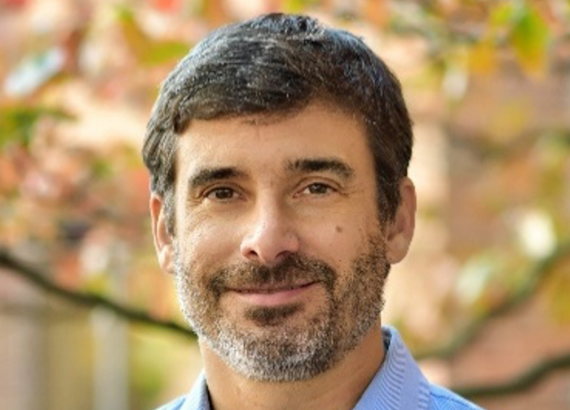
Jeffrey Wilson, MD, PhD
Associate Professor, University of Virginia
Invited Participants
Invited participants will include:
- Leading researchers and clinicians
- Federal agency and public health leaders
- Ecologists, entomologists, wildlife experts, and prevention specialists
- Food scientists, agricultural leaders, and industry representatives
- Selected patient, caregiver, and advocacy representatives
Registration and logistical details will be emailed directly to invited attendees.
Program Focus
The program will focus on the scientific, clinical, environmental, agricultural, and public health dimensions of alpha-gal syndrome. Discussions will examine what is known, where evidence is emerging, and what coordinated action is needed to strengthen diagnosis, care, prevention, education, surveillance, and research infrastructure.
Epidemiology and Risk
How ecology, geography, tick exposure, immune sensitization, and host susceptibility shape risk.
Clinical Spectrum
Manifestations, comorbidities, patient burden, procedural considerations, and treatment opportunities.
Diagnosis and Management
Current tools, emerging diagnostics, natural history, dietary guidance, and long-term patient care.
Agriculture and Food Systems
Occupational risk, mammalian-derived ingredients, labeling, supply chains, and measurement challenges.
Population-Level Prevention
Prescribed fire, habitat modification, host-targeted interventions, and novel biological strategies.
National Priorities
A shared roadmap for research, clinical practice, education, infrastructure, funding, and collaboration.
Intended Outcomes
The closing discussion will translate the day’s insights into a practical, prioritized framework for near- and long-term progress. Expected outcomes include shared national priorities, a clearer understanding of evidence gaps, practical recommendations for education and clinical guidance, and an initial roadmap for collaboration across research, healthcare, public health, agriculture, industry, and patient communities.
Research Priorities
Highest-impact gaps and opportunities for the next 1-10 years.
Clinical Guidance
Needs in diagnosis, management, patient counseling, and care delivery.
Education and Awareness
Priorities for patients, providers, communities, and public health.
Collaboration and Infrastructure
Funding, data, partnerships, and coordinated national action.
Agenda
Tuesday, October 27, 2026 | 6:00 p.m. – 8:30 p.m. ET
- Welcome Reception (optional): Connect with fellow attendees and speakers in an informal setting.
Wednesday, October 28, 2026 | 7:15 a.m. – 5:30 p.m. ET
- Breakfast & Networking: Breakfast will be provided on site, with time to connect before the day begins.
- Welcome Remarks: Set the stage for the day’s conversations and shared goals.
- Scientific Sessions & Moderated Discussion: Explore what is known and unknown about AGS, including disease mechanisms, clinical manifestations, environmental drivers, prevention, diagnosis, education, and opportunities to accelerate progress.
- Lunch: Lunch will be provided on site, with time for informal discussion and connection.
- Collaborative Discussion & Next Steps: Identify priorities, practical actions, and collaboration opportunities that can inform a framework for near- and long-term progress.
- Closing Reflections: Close the event with key takeaways and a shared look ahead.
- Optional Cocktail Reception and Dinner: 5:30 p.m. – 9:00 p.m. ET
Venue & Host Hotel
The Dupont Circle Hotel
1500 New Hampshire Avenue NW
Washington D.C., 20036
(202) 483-6000
Conference guests are invited to stay at The Dupont Circle, a stylish hotel located in the heart of Washington, D.C.’s vibrant Dupont Circle neighborhood. The hotel offers contemporary comfort, convenient access to the Dupont Circle Metro station, on-site dining, and an inviting home base for event attendees during their stay in the nation’s capital.
FARE is committed to creating a welcoming environment. Please contact FARE’s Research team with any accessibility, dietary, or accommodation questions.
Learn More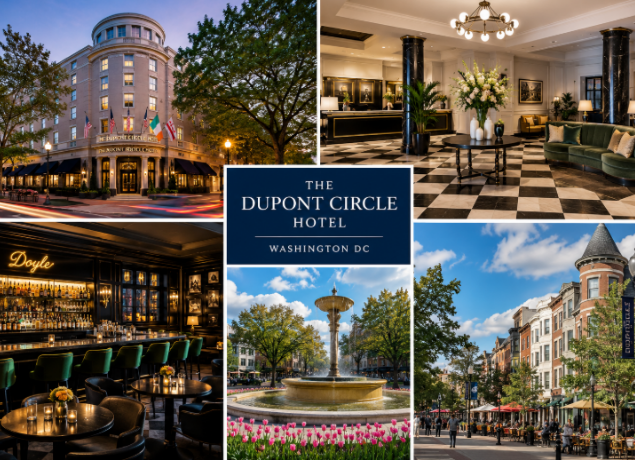
Champion Partner
Supporting Partners