


Alpha-gal Syndrome
Alpha-gal syndrome (AGS) is a growing and under-recognized IgE-mediated food allergy that begins with a tick bite.
What Is Alpha-gal Syndrome?
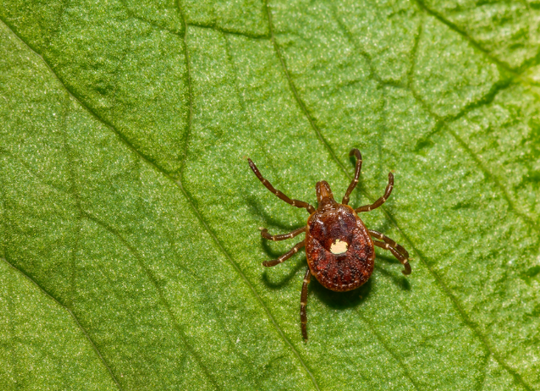
Alpha-gal syndrome (AGS) is caused when a carbohydrate known as galactose-α-1,3-galactose commonly referred to as alpha-gal is introduced into the body through the saliva of a tick, causing the body to develop an immune response.
- AGS is frequently described as a “red meat allergy” even though that label does not reflect the full condition.
- Because reactions differ from more typical food allergy reactions and symptoms often appear 2-6 hours after exposure, AGS is frequently misdiagnosed.
- It is estimated that as many as 450,000 people in the U.S. live with AGS.
- Legislation is being considered to recognize alpha-gal as the nation’s tenth major allergen.
Because alpha-gal syndrome can look so different from other food allergies, many patients spend years searching for answers.
Myth: It’s just a red meat allergy.
Fact: Alpha-gal syndrome is frequently described as a “red meat allergy,” but that label does not reflect the full scope of the condition. People with alpha-gal syndrome can react to any mammalian meat—including pork, lamb, and venison—as well as mammal-derived ingredients like dairy, gelatin, and certain medications. Pork is one of the most common triggers in alpha-gal syndrome. Because pork was framed as “the other white meat” in marketing campaigns, people don’t realize that pork is fully mammalian and contains alpha-gal. Pork can cause reactions as severe as beef.
Myth: Only people in the areas where lone star ticks live are at risk for developing alpha-gal syndrome.
Fact: Multiple tick species can cause alpha-gal syndrome. In the United States, the lone star tick is most often linked to the condition, but other ticks—including the black legged tick—have also been connected to cases.
Tick ranges are expanding driven by climate change, warmer winters, wildlife migration, and suburban sprawl. As a result, regions that historically never saw alpha-gal syndrome cases are now reporting them, catching clinicians and residents unprepared. Many people develop the condition outside of traditionally “high-risk” zones.
Alpha-gal Syndrome: Myths and Facts
Food Allergy Academy Webinars on Alpha-gal Syndrome
FARE’s Food Allergy Academy offers webinars to build your confidence in managing food allergy and better understand this disease. Academy registration is fast and free. Webinar participants can join in real time or watch a recording later.
Beyond the Bite: The Growing Link Between Ticks and Food Allergy
June 2026 – Featuring Sarah McGill, MD, MSc, and Sashafae Lopez, RN
Why Tick Season Isn’t the Only Time to Focus on Alpha-gal Syndrome
January 2025 – Featuring Scott Commins, MD, PhD, and Gary Falcetano, PA-C, AE-C
Taking a Bite Out of Alpha-gal Syndrome: How to Prevent and Manage Tick-Borne Food Allergy
January 2024 – Featuring Tina Merritt, MD, Jennifer Platt, DrPH, and Beth Carrison, INHC

Bringing Alpha-gal Syndrome Awareness to Taste of the NFL
At the 2026 Taste of the NFL event in San Francisco, California, FARE was proud to partner with Parche Oakland to showcase what food allergy-friendly dining can look like when access and culinary excellence come together.
At the FARE booth, guests enjoyed Parche’s Posta Negra Bites—a modern Colombian short rib dish that was naturally gluten and dairy free—paired with a plant-based option featuring lion’s mane mushroom to expand access for even more diners, including those managing alpha-gal syndrome.
National Indicator Report on Food Allergy
This report tracks the growing public health challenge of food allergy in the United States and features a section on alpha-gal syndrome. Healthcare providers, families, and food allergy allies need the facts—and FARE has gathered them in one place.
Read the Indicator ReportIndividuals living with alpha-gal syndrome are an important part of the FARE community, and they deserve the visibility and support needed to navigate this complex disease.
Sung Poblete, PhD, RN, CEO of FARE
Looking to learn more?
Access additional AGS posters, brochures, and handouts